


The Lord appeared to us in the past, saying: “I have loved you with an everlasting love; I have drawn you with unfailing kindness.”—Jeremiah 31:3 (NIV)
My mom is a letter writer. She has turned it into an art form. Every Sunday night, she sits down and writes to a group of friends and relatives whom she cares deeply about. She shares the comings and goings of the week, what she and my dad have been doing, and the beauty surrounding her. She talks about us—her family. And she talks about Jesus and what she is learning about Him. Her letter is laced with encouragement and hope. The friends who receive her letters cherish them. Who wouldn’t?
Today when my husband, Scott, brought in the mail, there was a letter for me. I recognized Mom’s handwriting. When I opened it, a ten-dollar bill fell out. The card said, “Dear Susanna, you are the best! Mom.” (I have a hunch she sent a similar letter to my siblings.) The money and precious note reminded me that Mom is thinking of me and loves me. I put the card in my file of important letters. I cherish it.
Jesus has written me a love letter too—His Word. He tells me over and over again about His everlasting love. I am His child (1 John 3:1). He is thinking about me, and His thoughts of me outnumber the grains of sand (Psalm 139:17–18). His letter is laced with encouragement and hope. Jesus’s Word is precious and endures forever. I cherish it.
Faith Step: Cherish the love letter Jesus sent to you in the Bible. Read about His enduring love in Psalm 136 and then write a love letter back to Him in your journal.

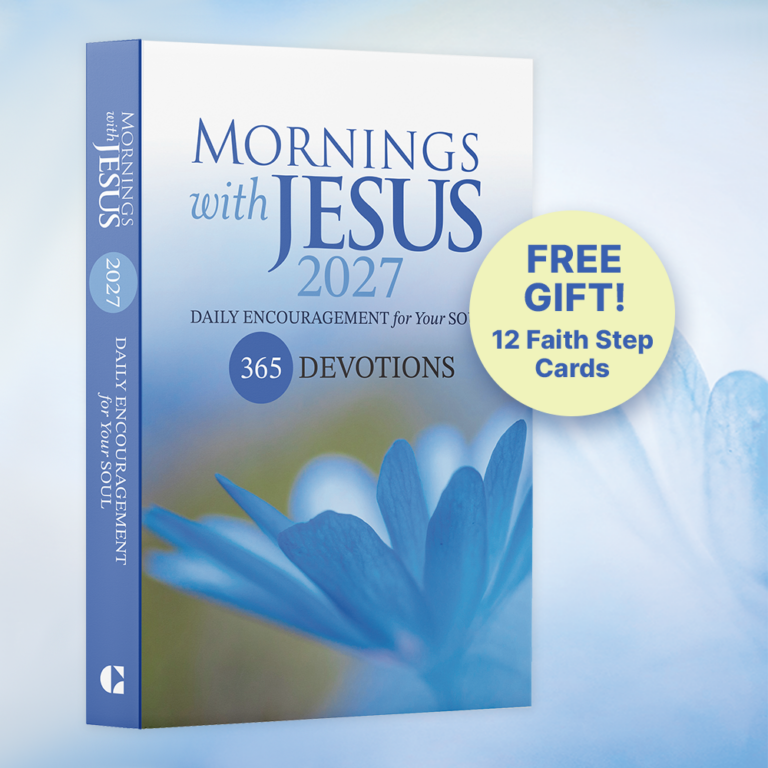
Adapted from Mornings with Jesus