



Ambiguous Loss: Grieving a Loved One Who Is Physically Present but Mentally or Emotionally Impaired
Support and self-kindness can help caregivers to process this unique form of grief.
Support and self-kindness can help caregivers to process this unique form of grief.

Qualified medical expenses can help older adults to maximize on deductibles.

The demands of Alzheimer’s caregiving can be taxing on your health, so accepting help to get rest and relief is vital.

Friends can be even more necessary as we grow older, so what better time than retirement to add to your network?

Opening up to your boss about your workplace needs as a caregiver can help you strike a good balance.

Having friends in different stages of life broadens our view of others—and ourselves.

Alzheimer’s and dementia can lead to falls, and potentially serious injuries, but there are ways to keep your loved one safer.

Cutting back on unnecessary expenses can help protect your loved one from financial harm.

Self-care resources offer ways to share your responsibilities and lighten the emotional burden.

Patience and respect can make things easier on your loved one.

Easy strategies on resting when your back is bothering you.
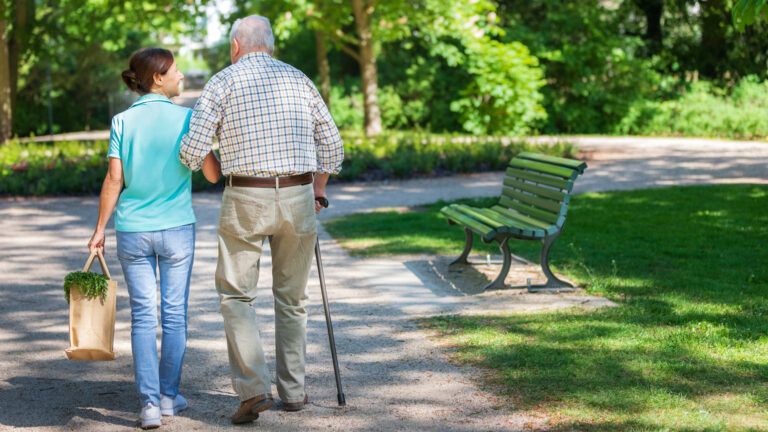
Helping others has benefits for older adults