


When You Become a Caregiver: Taking on a New Role
Caring for a loved one alters your relationship, but a wealth of resources can help you navigate.
Caring for a loved one alters your relationship, but a wealth of resources can help you navigate.

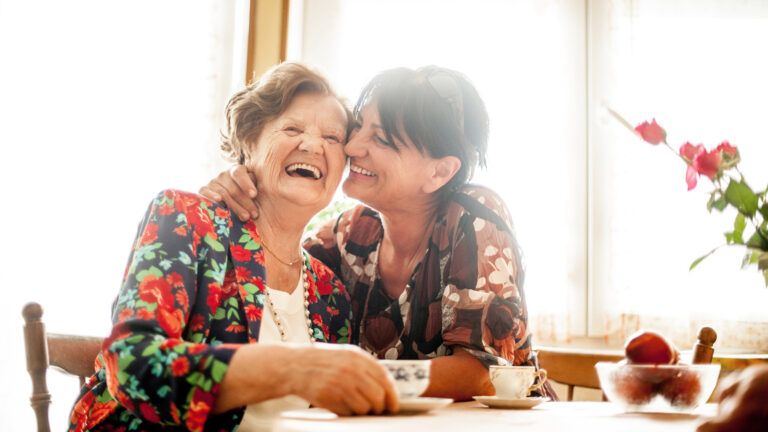
She agreed to a coffee date, and then another, until she realized something about their relationship had changed.

If family isn’t helpful when you’re caring for a loved one with Alzheimer’s, written updates and a support group can make inroads.

An empathetic approach can work best when dementia causes belligerence.

You can put safety first by keeping a watchful eye on activities.

Public, private and community-based sources can help with your loved one’s costs.

When you keep in mind that dementia is the cause, it can aid your understanding.

Gentle suggestions can help your loved one feel more secure under your watch.

Education can help ease the way forward for family members.

If poor decision-making is an issue, you can take steps to protect your family.

If your family member is resistant to getting an Alzheimer’s evaluation, a calm discussion can make a difference.
By incorporating these activities into your daily routine, your well-being will be rejuvenated.